What is naver
Naver is South Korea’s largest internet platform, and its mobile app serves
as the country’s most widely used gateway for search and content.
Within a single app, customers can access news, blogs, communities, shopping, and payments.
background
The Unique Characteristics of Naver Shopping
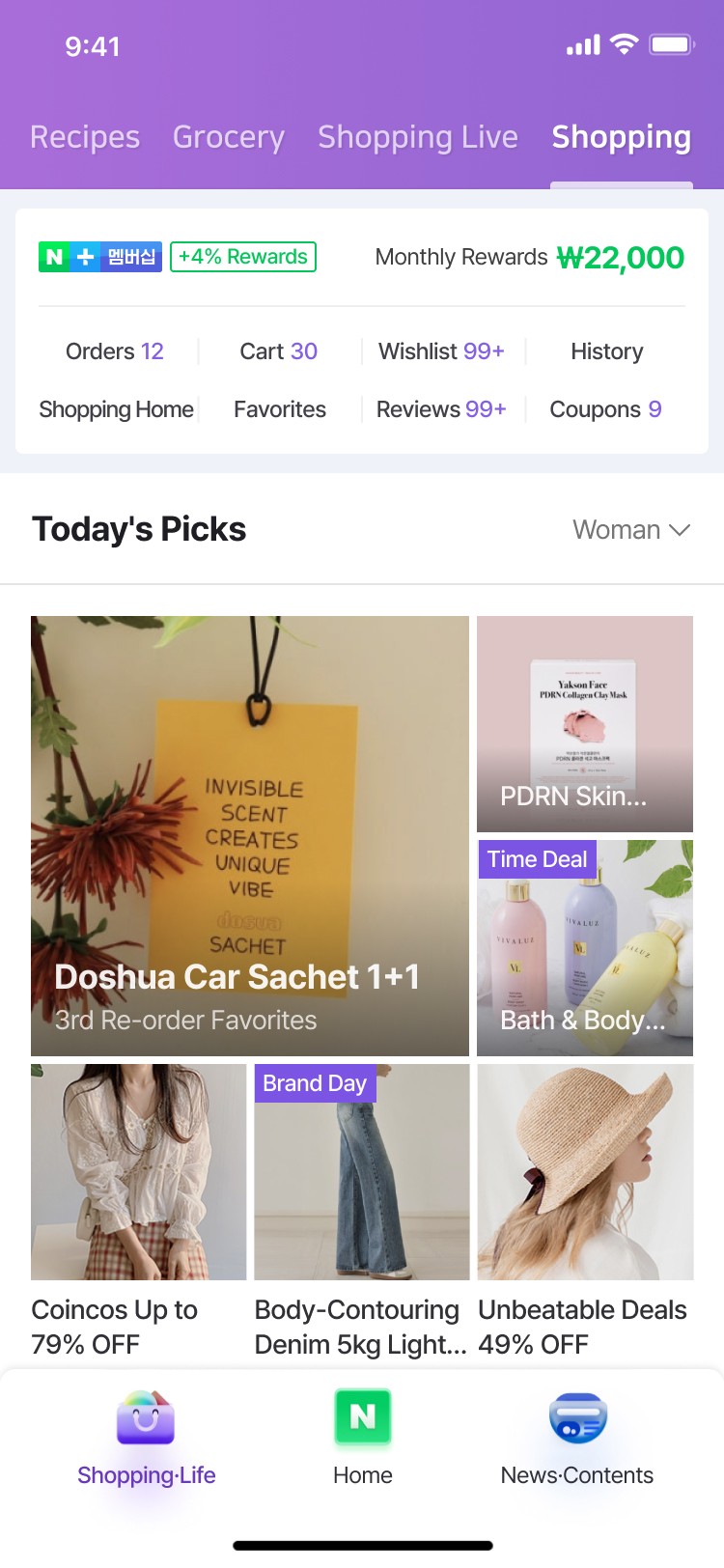
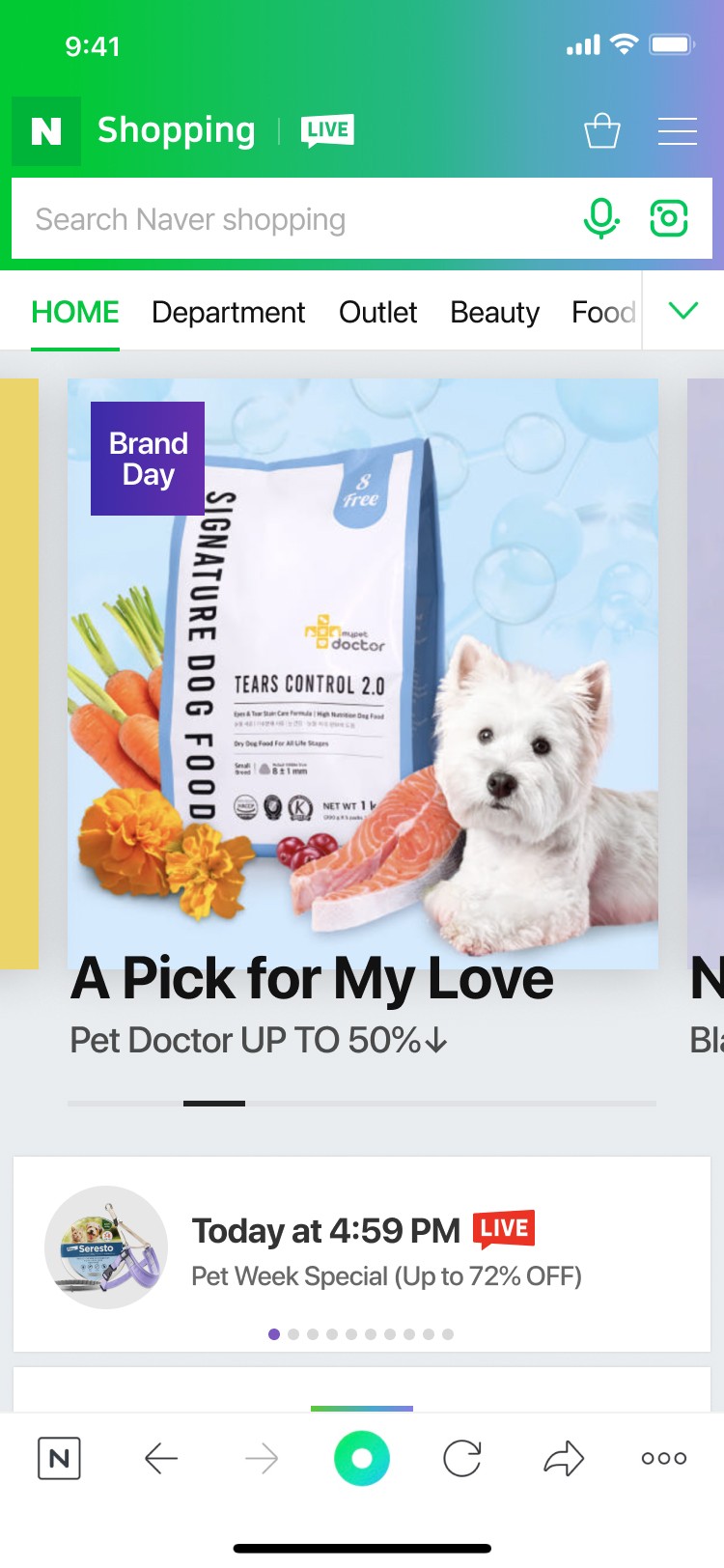
Naver Shopping can only be accessed through the Naver app, as it does not have a dedicated standalone app.
When opening the Shopping tab, the Shopping Feed is displayed first, with the Shopping Home nested one level deeper as a secondary screen.
background
The Need for a Shopping Home Redesign
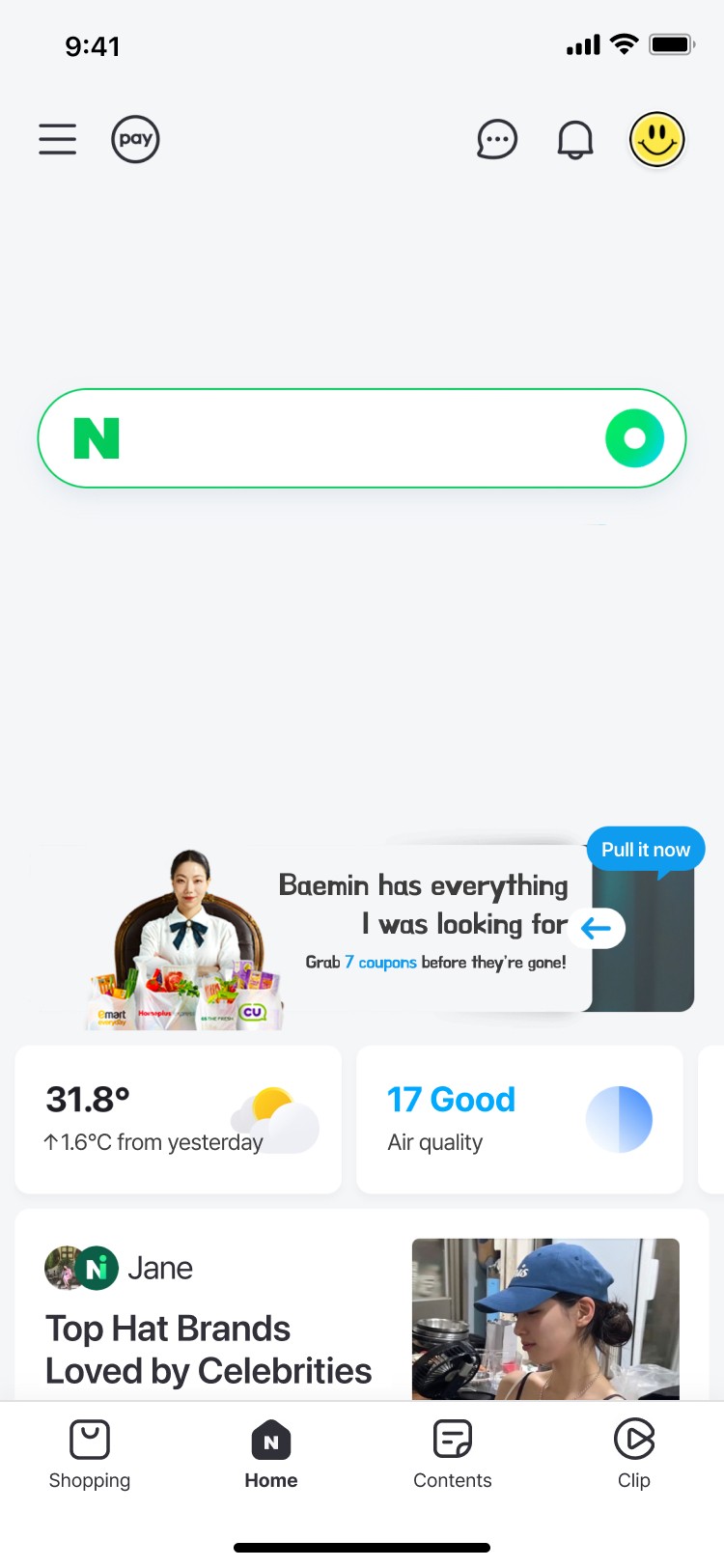
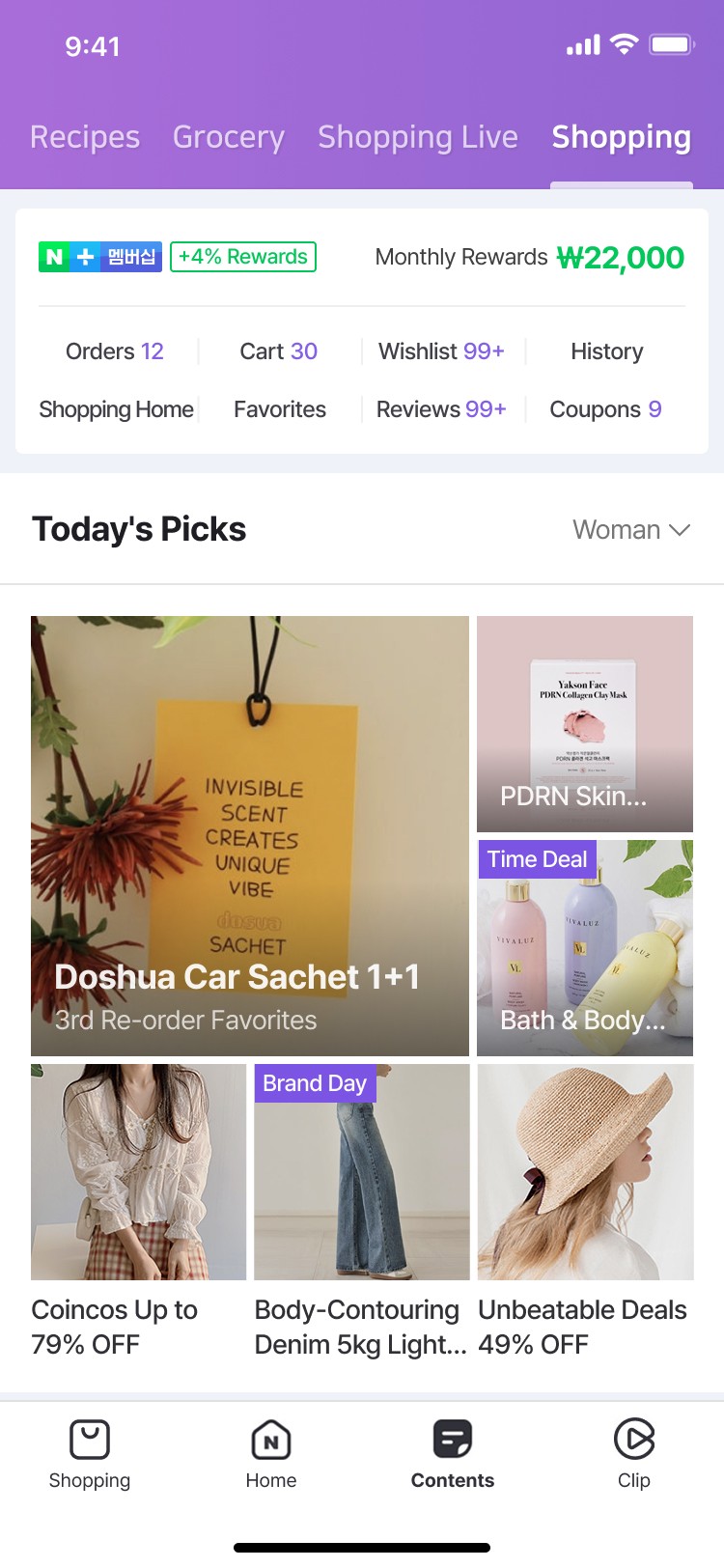
The Naver app's tab bar redesign brought Shopping Home to the forefront for the very first time. After 10 years buried at the 2nd depth, it was finally time to redesign everything from scratch.
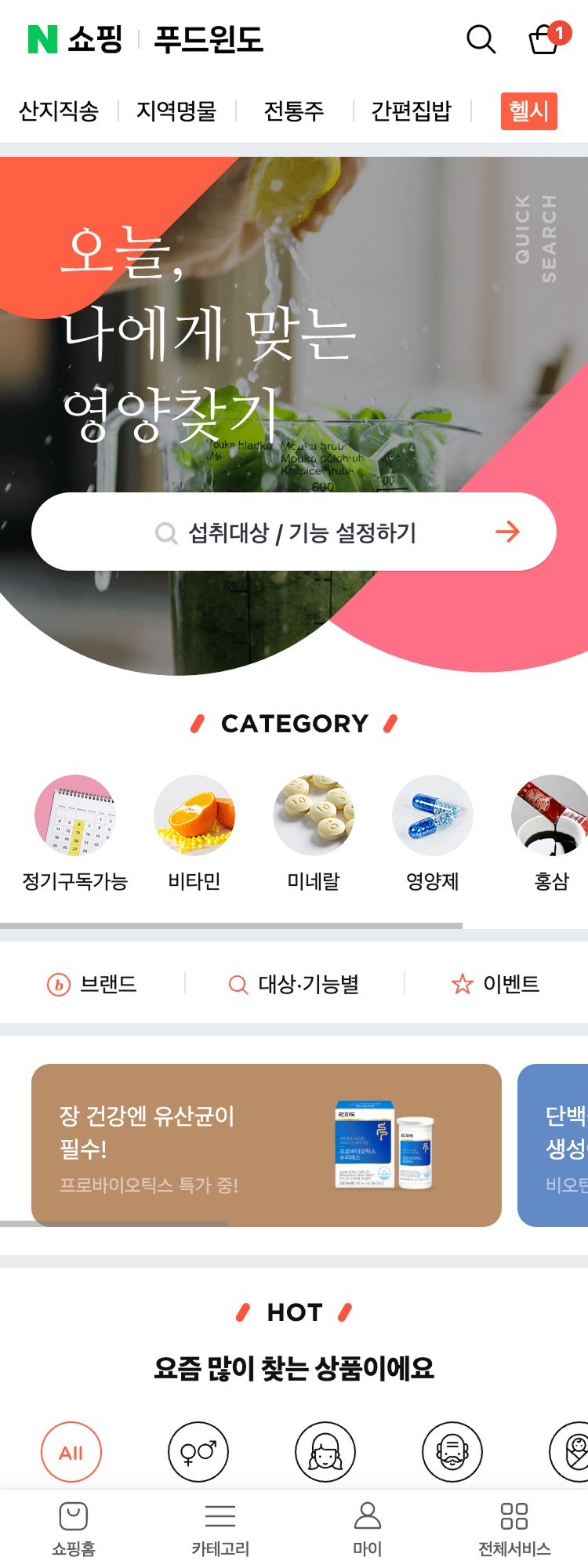
Low click-through rate on content
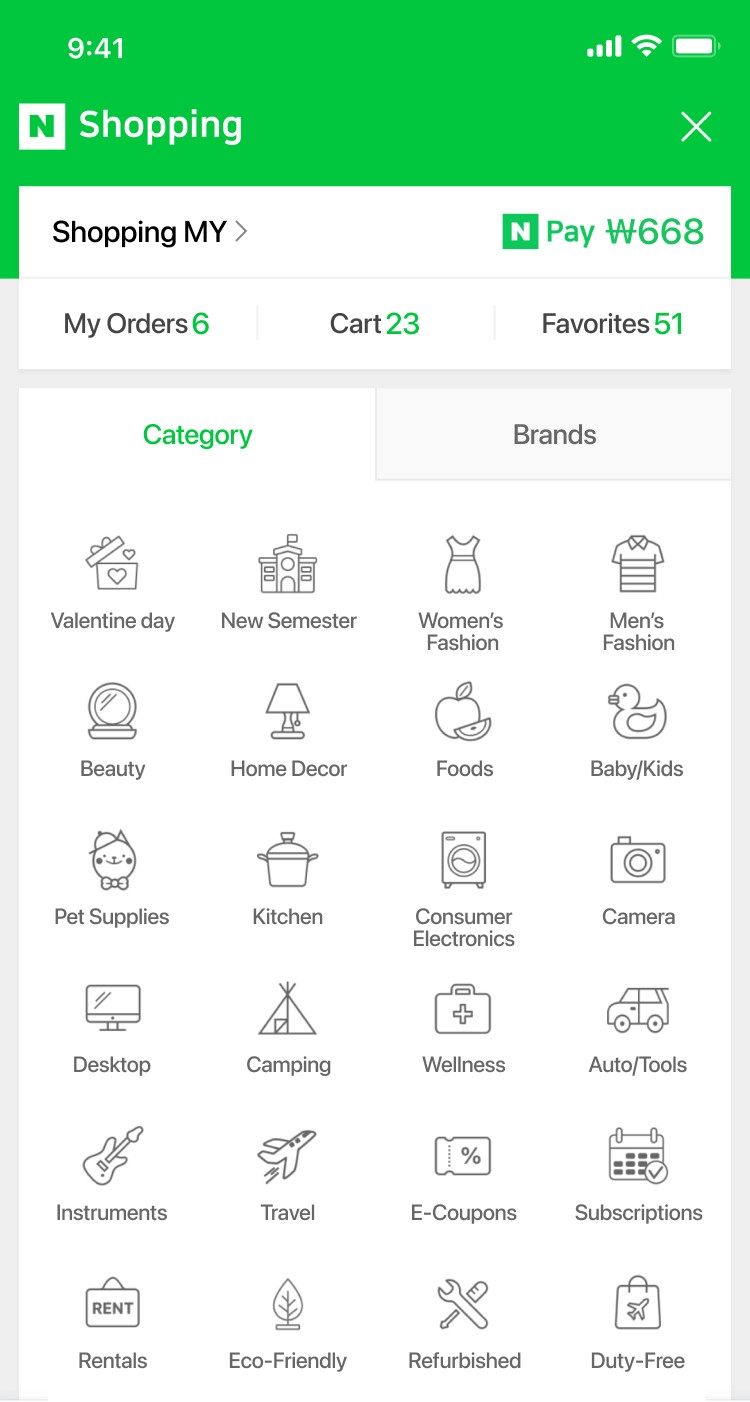
84.2% of all clicks occurred within the GNB, with hamburger menu exits accounting for the highest share at 42.8%. Users weren't engaging with home content — they were looking for their own shopping information.
Wasted space above the fold
Digging deeper into the hamburger menu exit data, 70.4% of users who exited went on to check their order and delivery status. The information users needed most was buried deep in the app hierarchy — nowhere near the top.
Ads that weren't pulling their weight
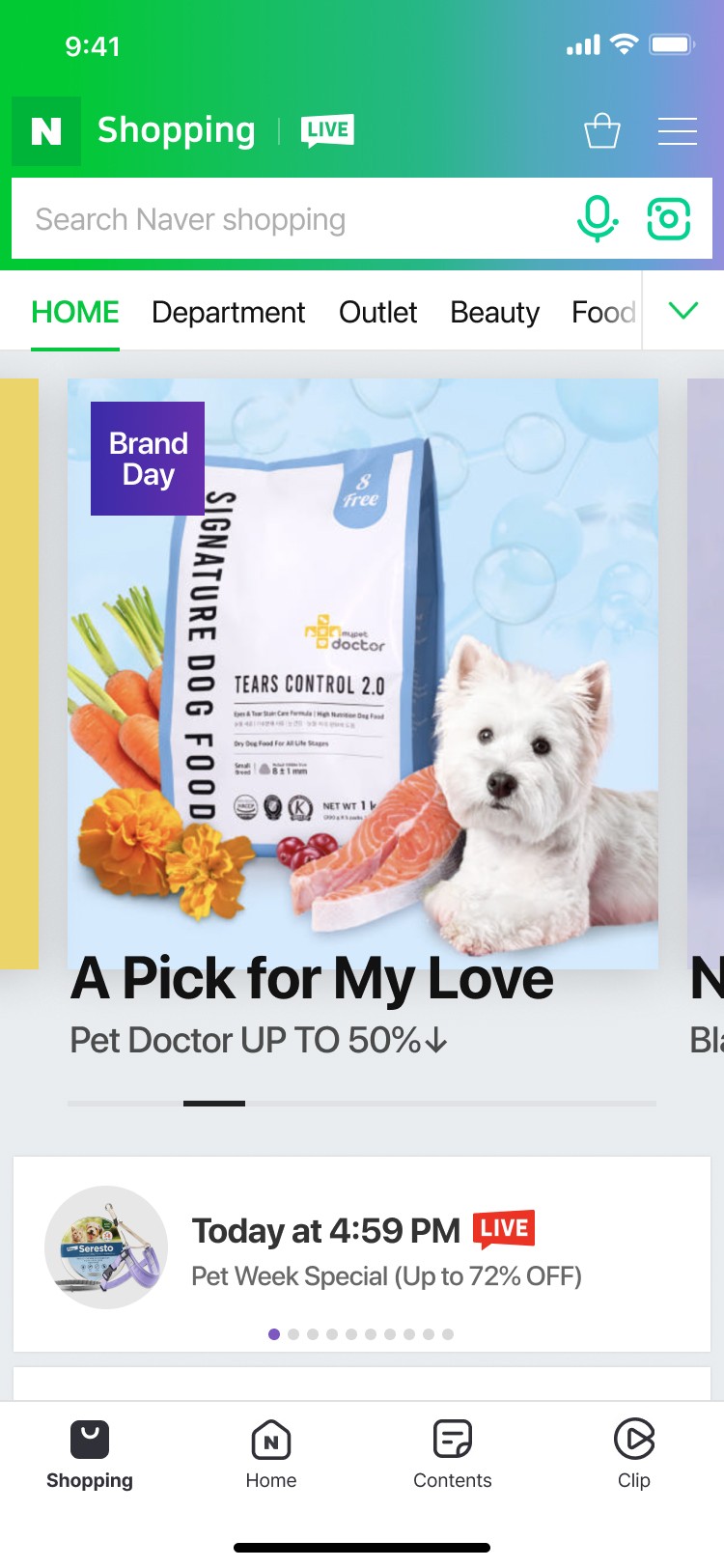
The top banner ad click-through rate was just 2.4%. The content users actually wanted was hidden away, while prime real estate at the top of the screen was occupied by ads that barely drove any clicks.


PROBLEM 02. MODULE CONTENTS
Unappealing Shopping Home Content
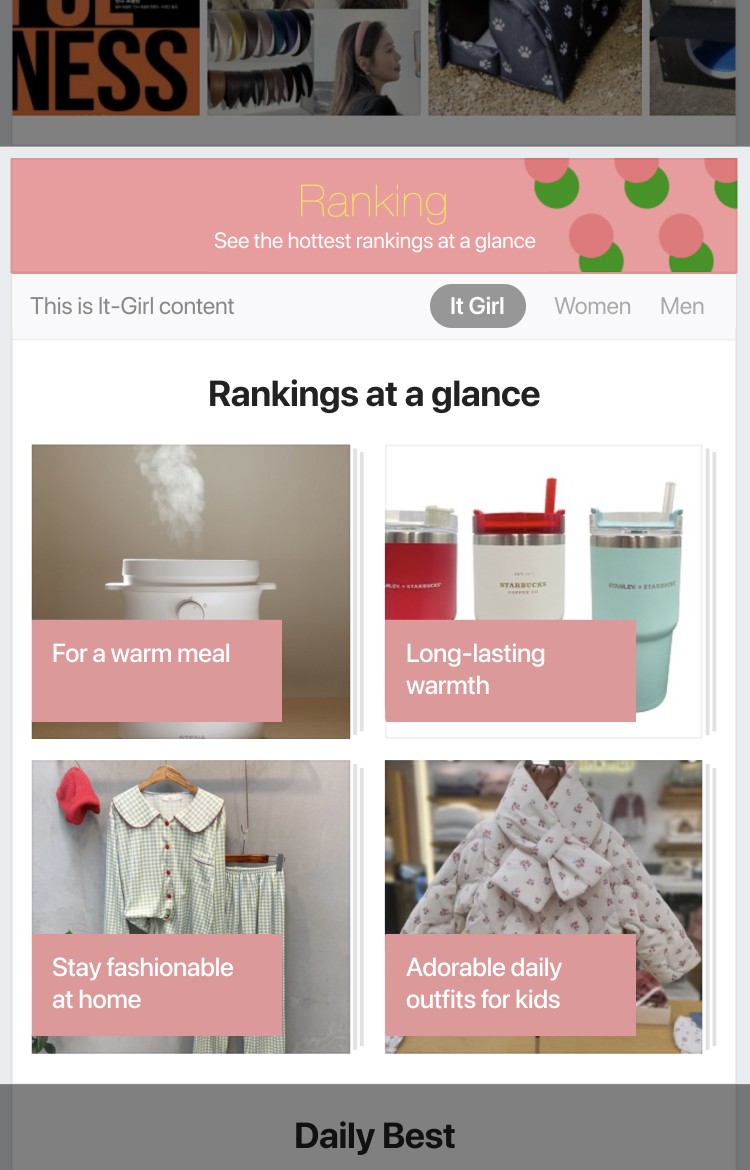
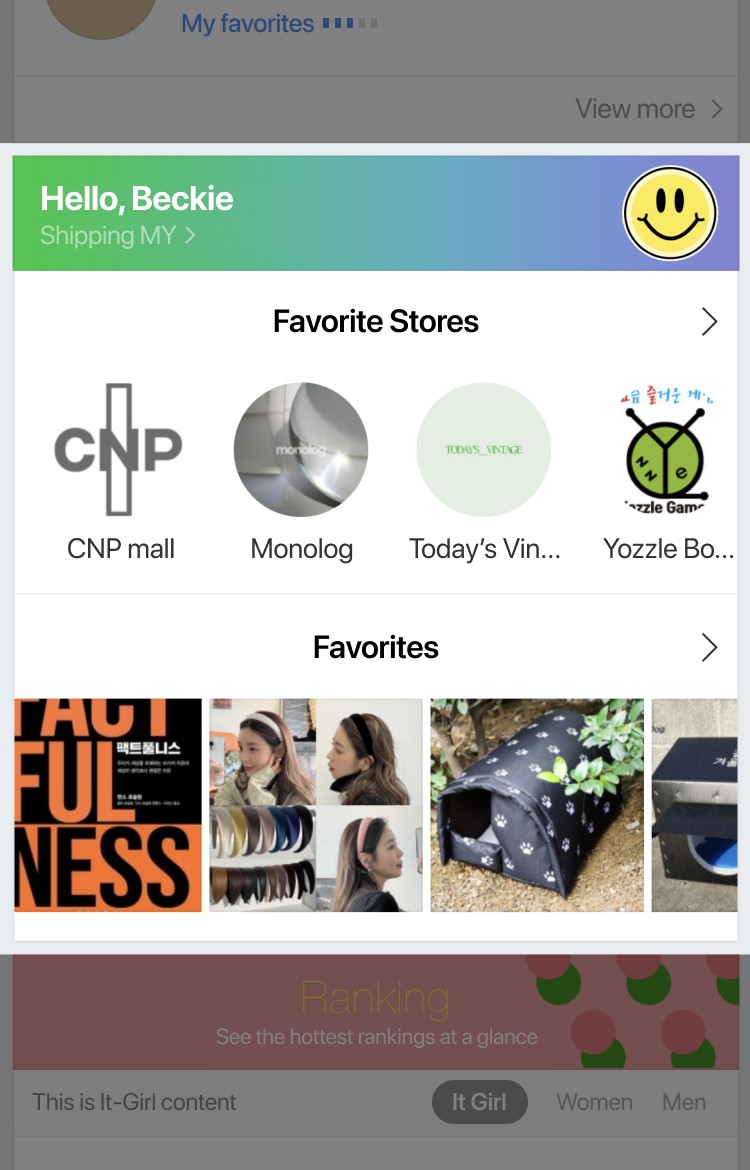
The content provided on the Shopping Home failed to capture users' interest.
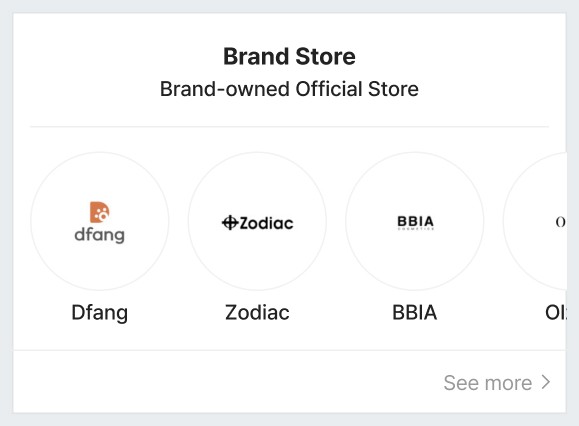
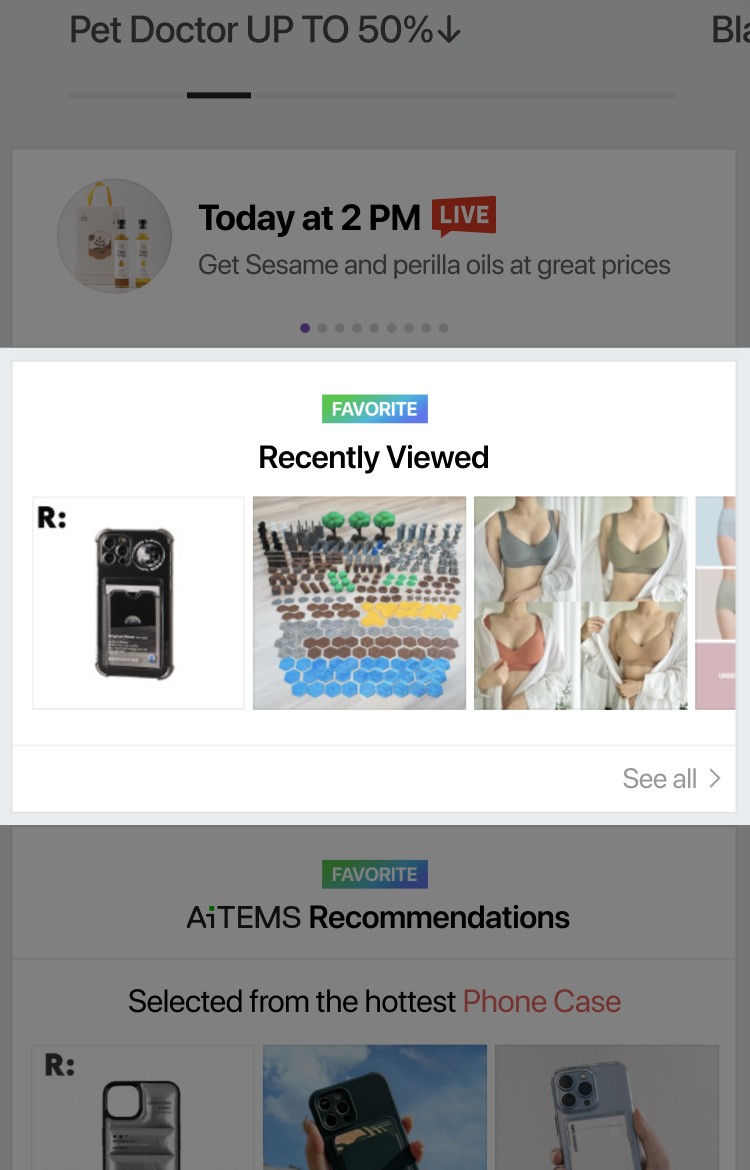
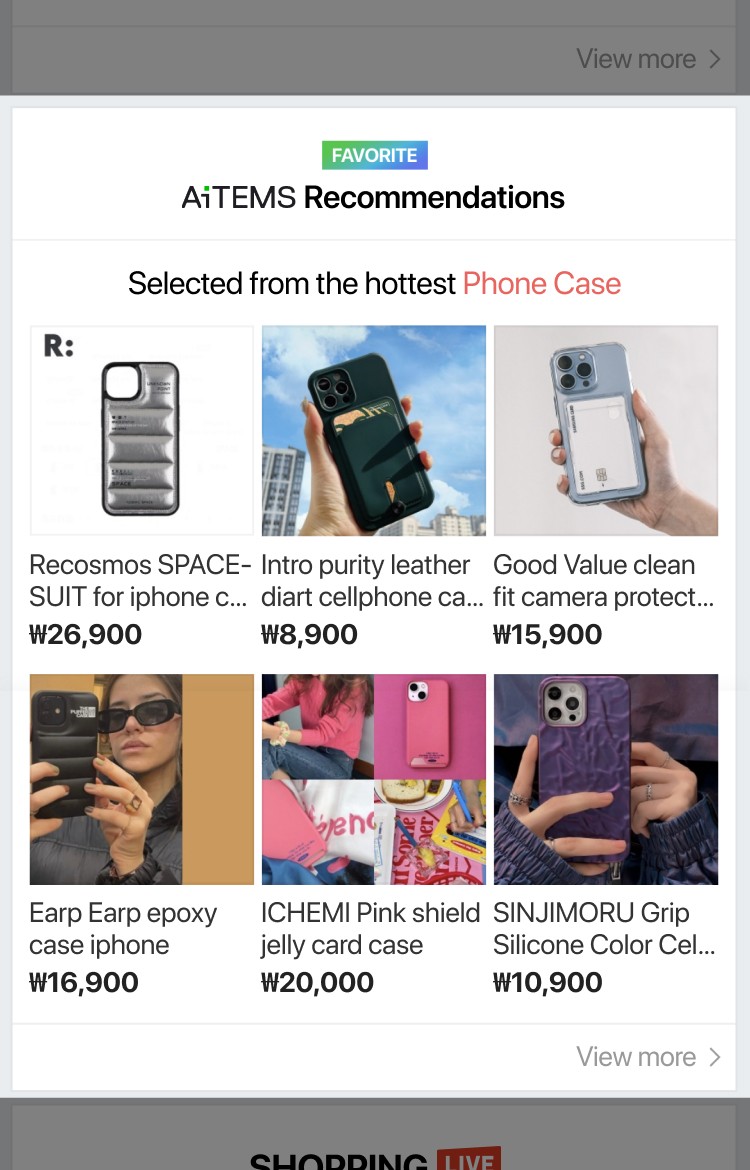
Most of the products and brands displayed were presented uniformly, without reflecting individual preferences or personal interests.
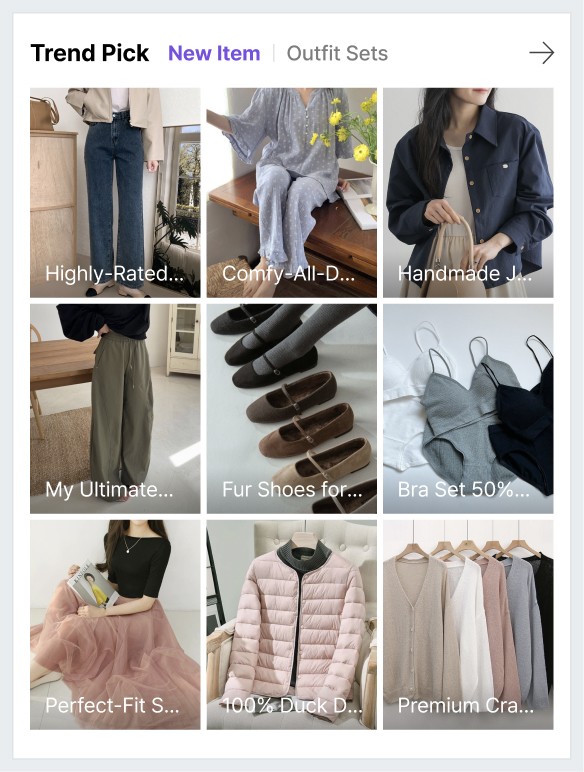
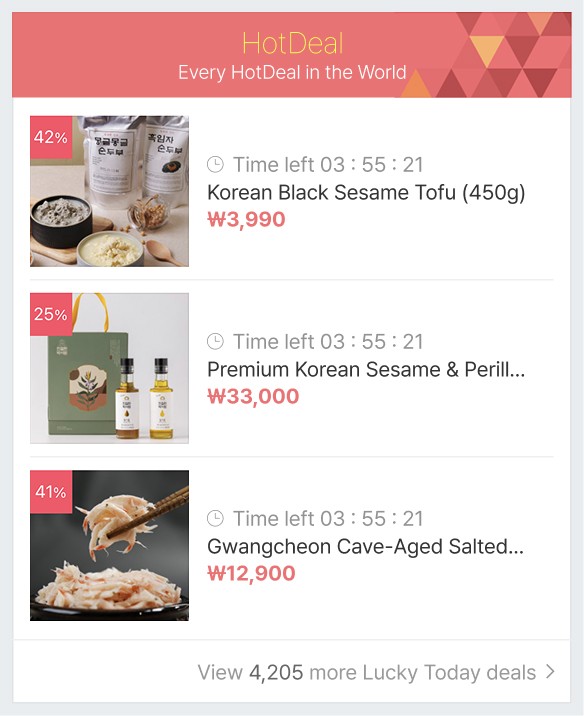
The one thing users did care about: recommendation modules
PROBLEM 03. VERTICAL SERVICE
Low traffic to vertical pages
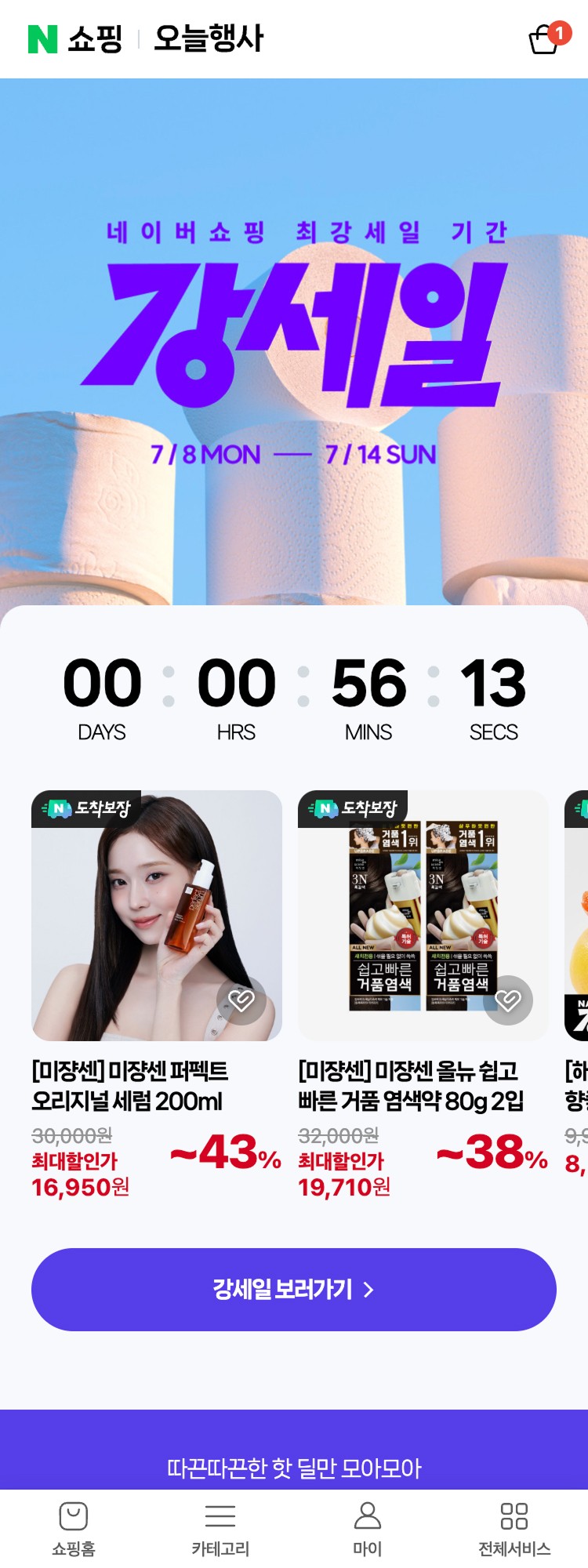
With most users exiting via the GNB and the hero banner dominating the top of the screen, the LNB vertical tab click-through rate stood at just 2.4%.
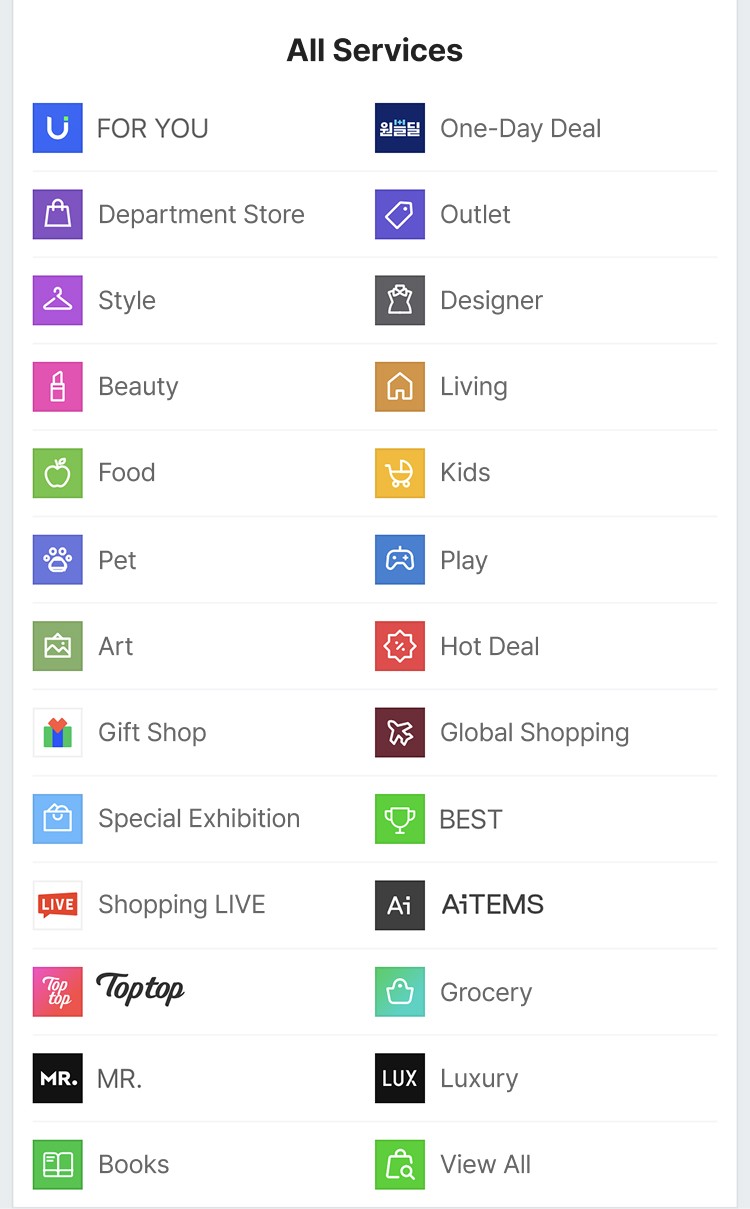
Vertical landing buttons that failed to showcase what was inside
There were over 20 verticals, each with its own distinct look and experience — but simple icon buttons offered no way to convey that richness to users.
Goal
Shopping Home Redesign Goal and Strategy
SOLUTION 01. UTILITY
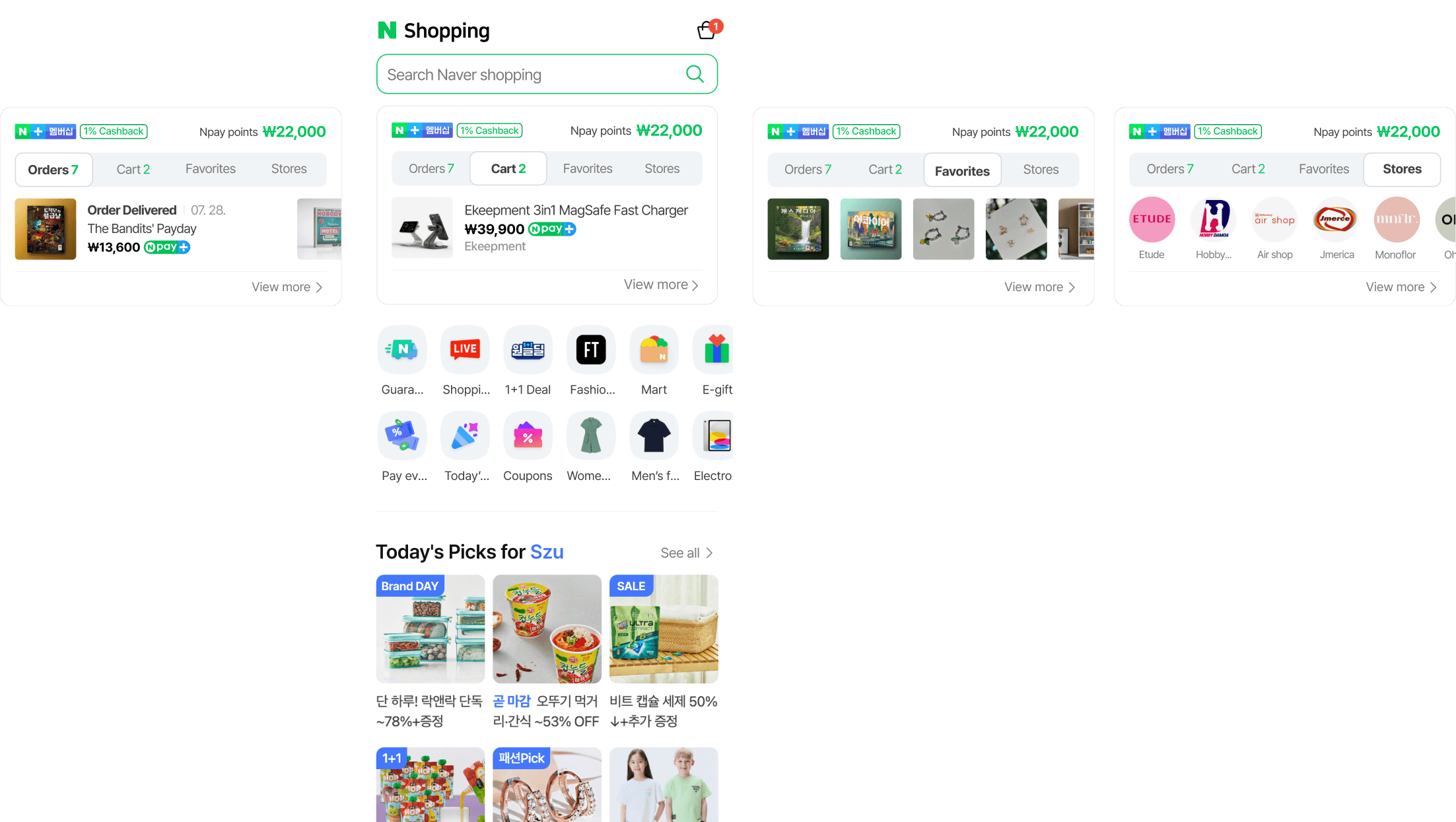
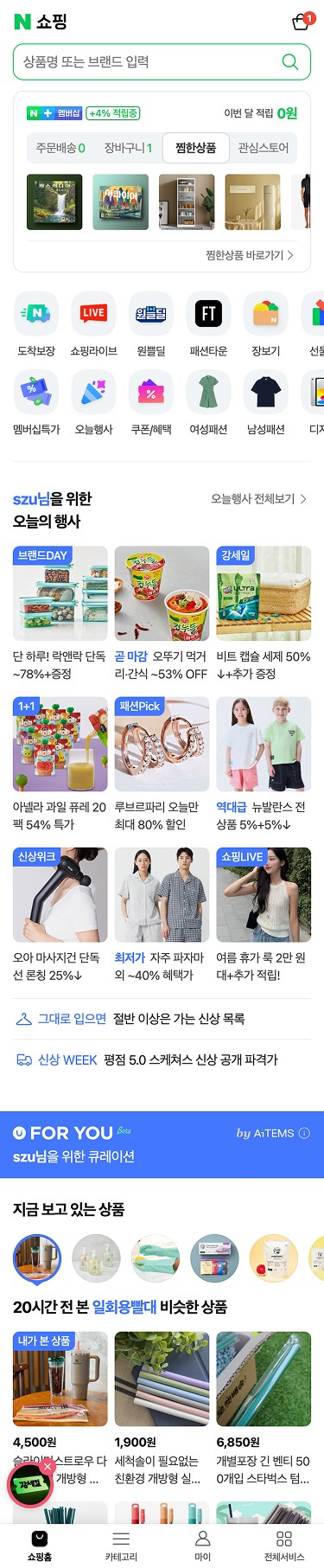
A MY module at the top, surfacing only what users actually need
With 70.4% of hamburger menu exits leading to order and delivery checks, it was clear users needed MY information far more than home content.
Since Shopping Home had minimal existing ad revenue, this redesign was also an opportunity to test a new monetization hypothesis: surfacing users' cart and wishlist items at the top could re-engage dormant purchase intent. We treated this as a low-risk experiment.
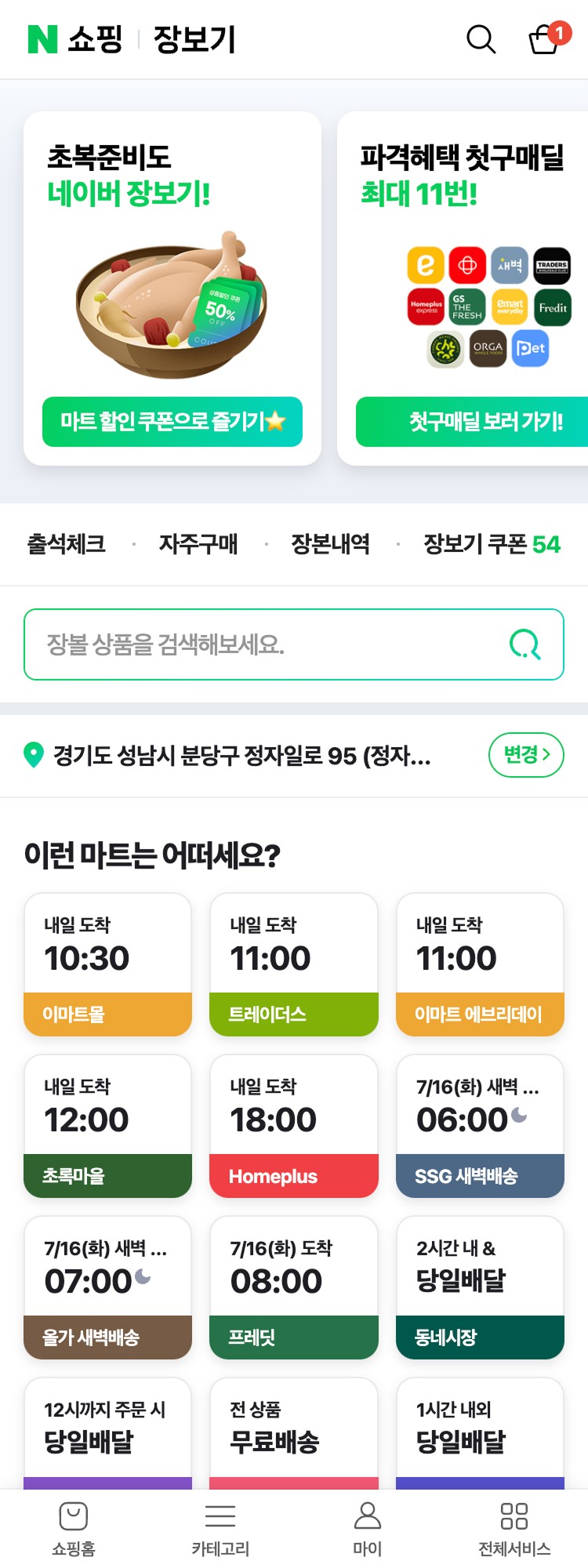
I curated the highest-traffic menu items into a MY module at the top, and designed the structure to re-engage purchase intent by surfacing cart and wishlist items.
Ads absorbed into modules, not dominating the top
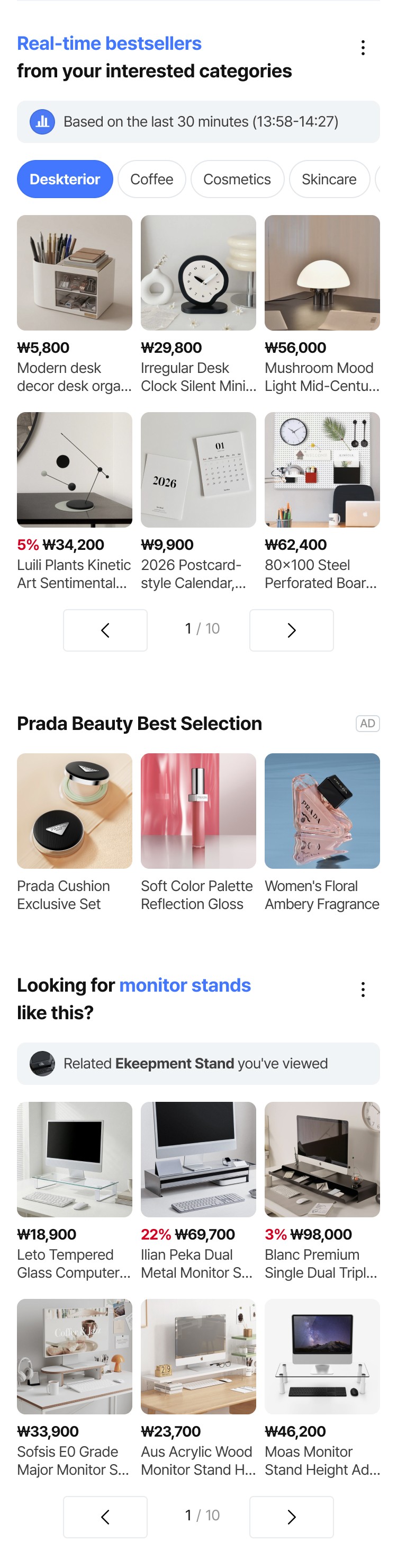
I removed the top banner ad and redistributed ad exposure across recommendation modules lower on the page. Despite reducing the overall ad footprint, this structure generated higher ad revenue than before.
SOLUTION 02. PERSONALIZATION
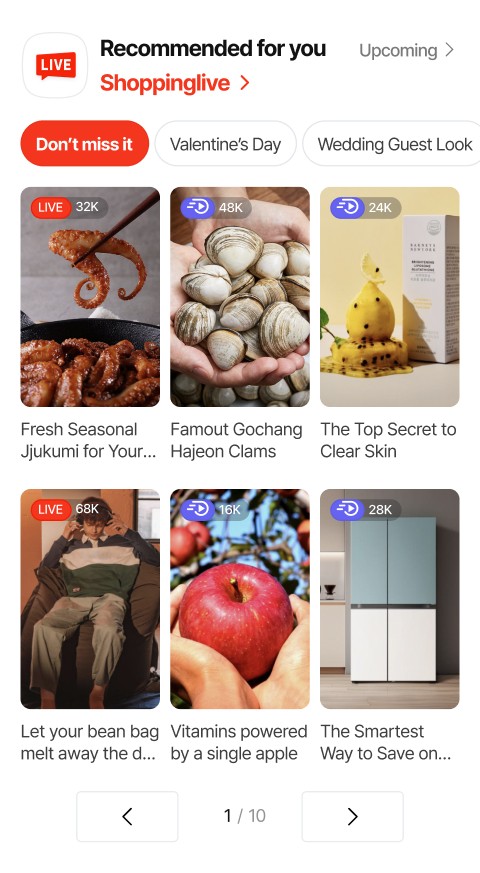
Recommendations tailored to each user's shopping context
Personal data-driven modules outperformed average CTR by 13x, leading me to design a recommendation architecture structured as real-time → personalized → ranking, rooted in each user's shopping history.
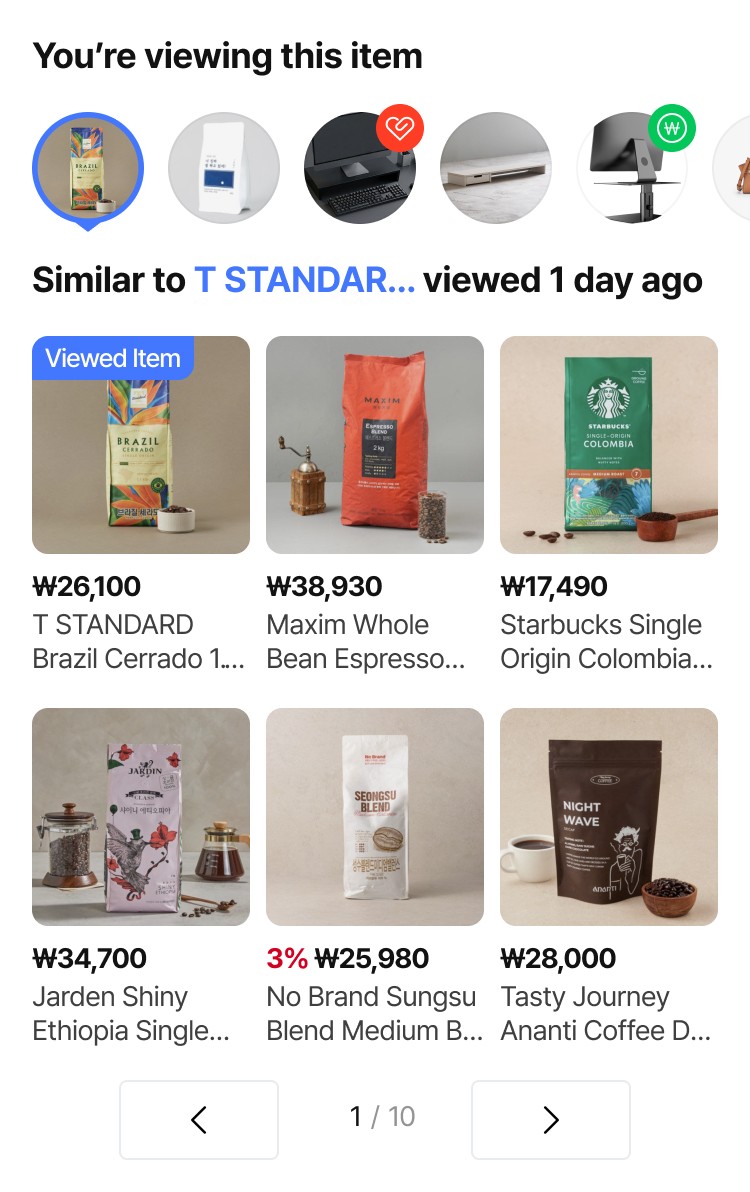
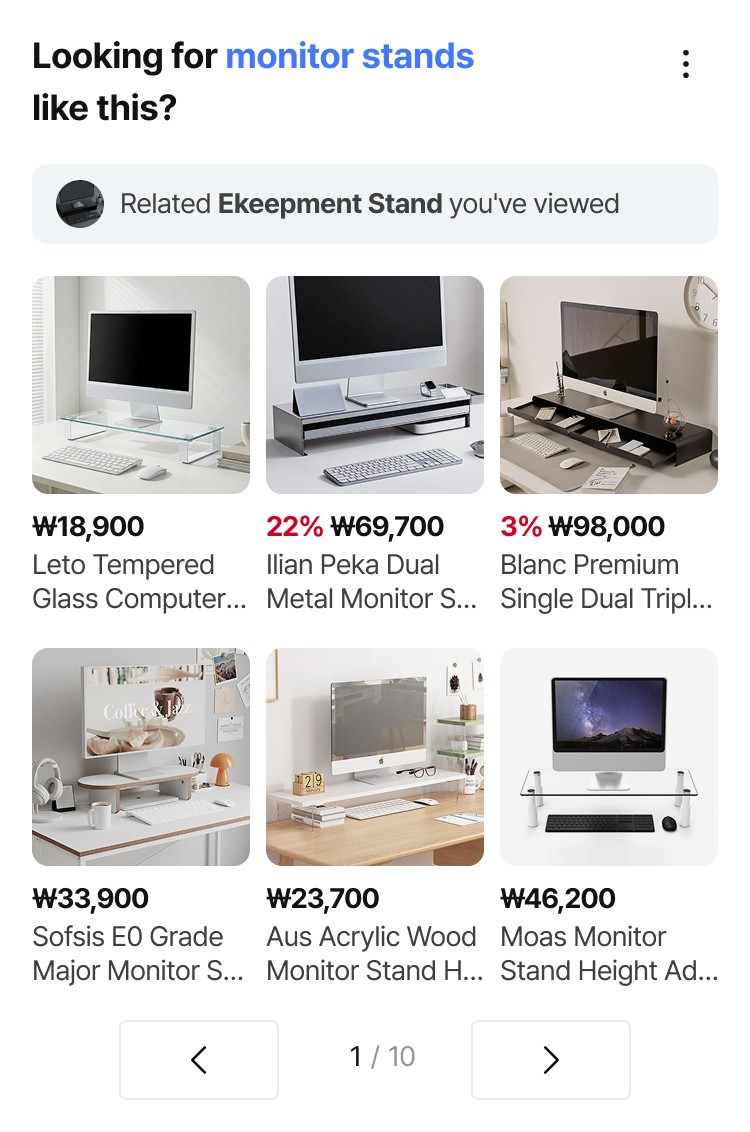
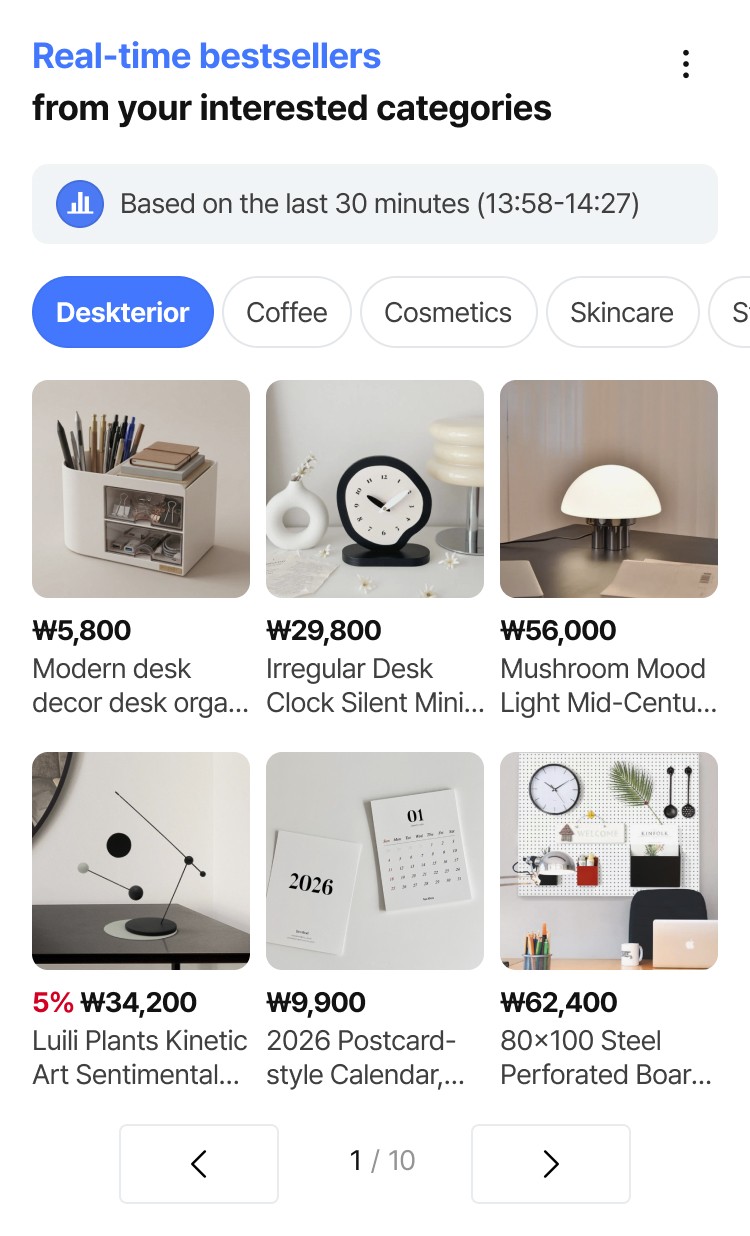
A 3×2 grid for product listings
SOLUTION 03. EXPLORATION
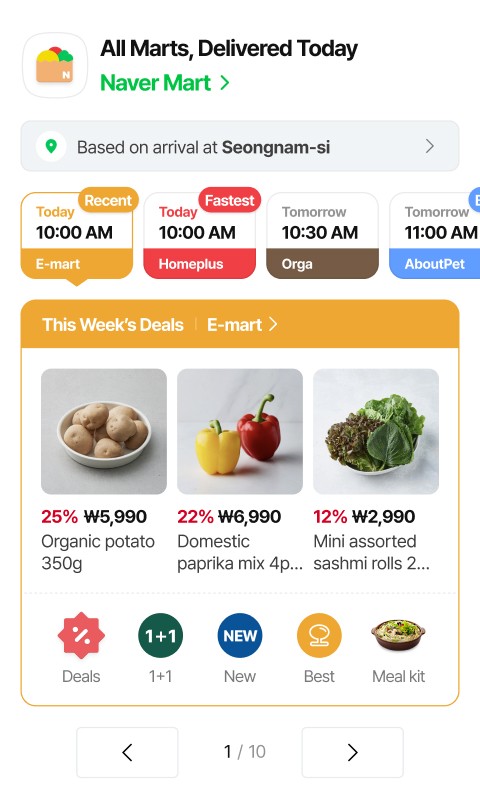
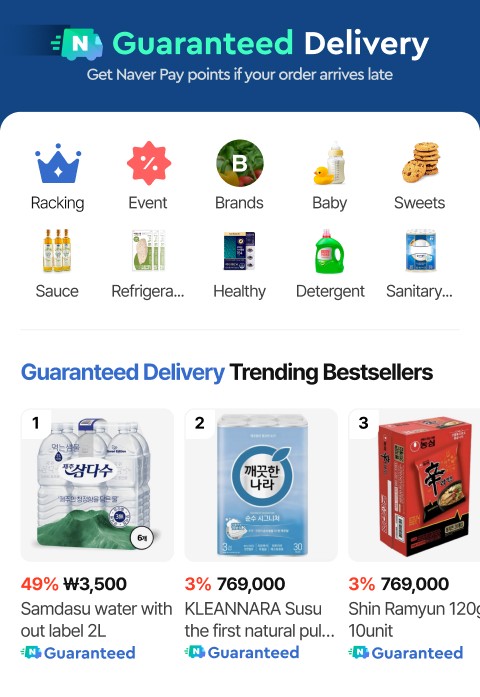
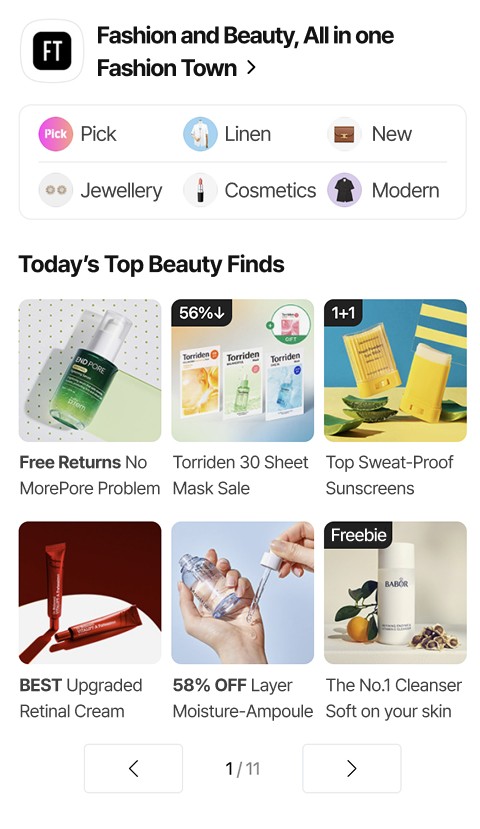
Improving vertical page entry points
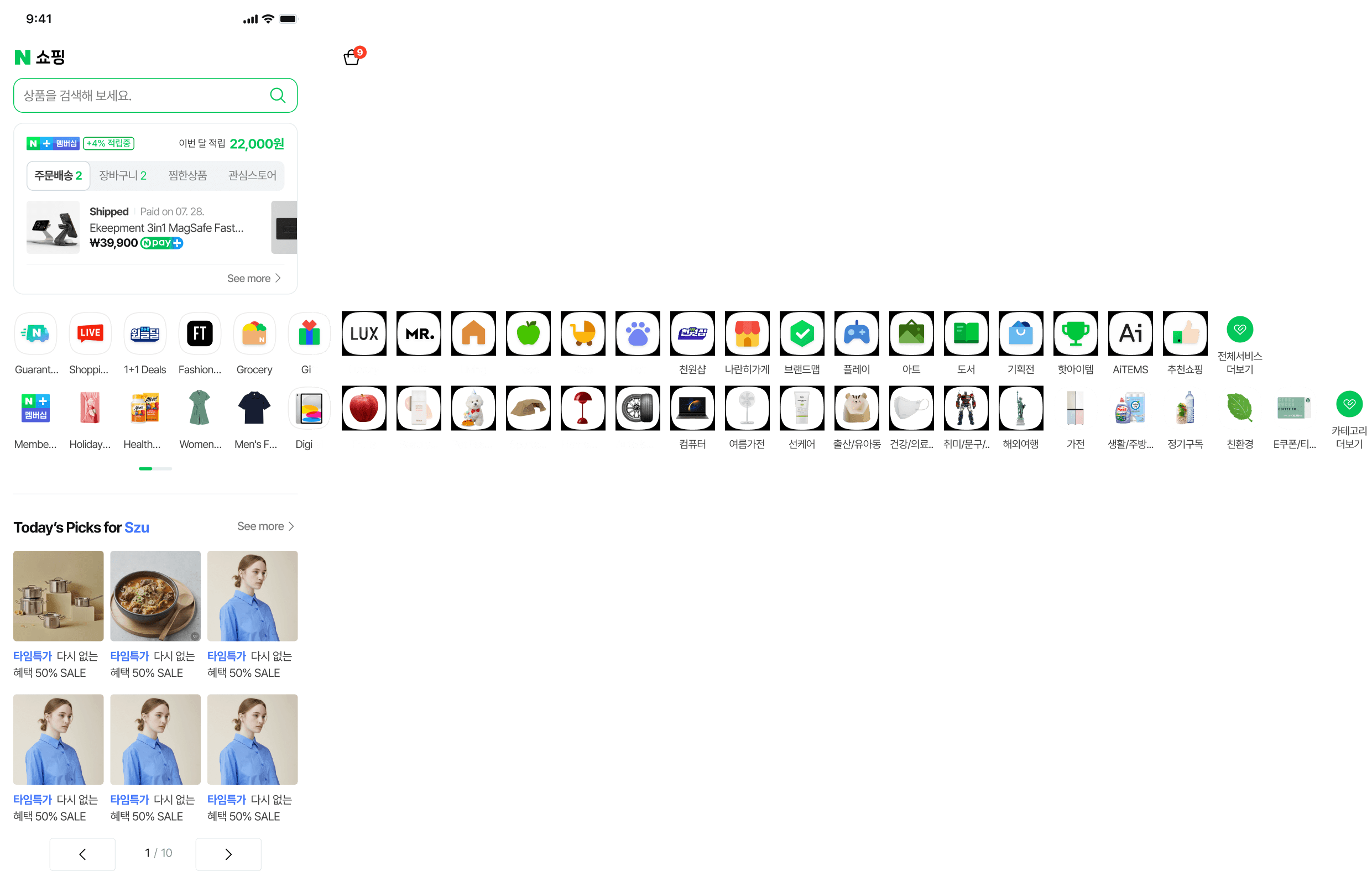
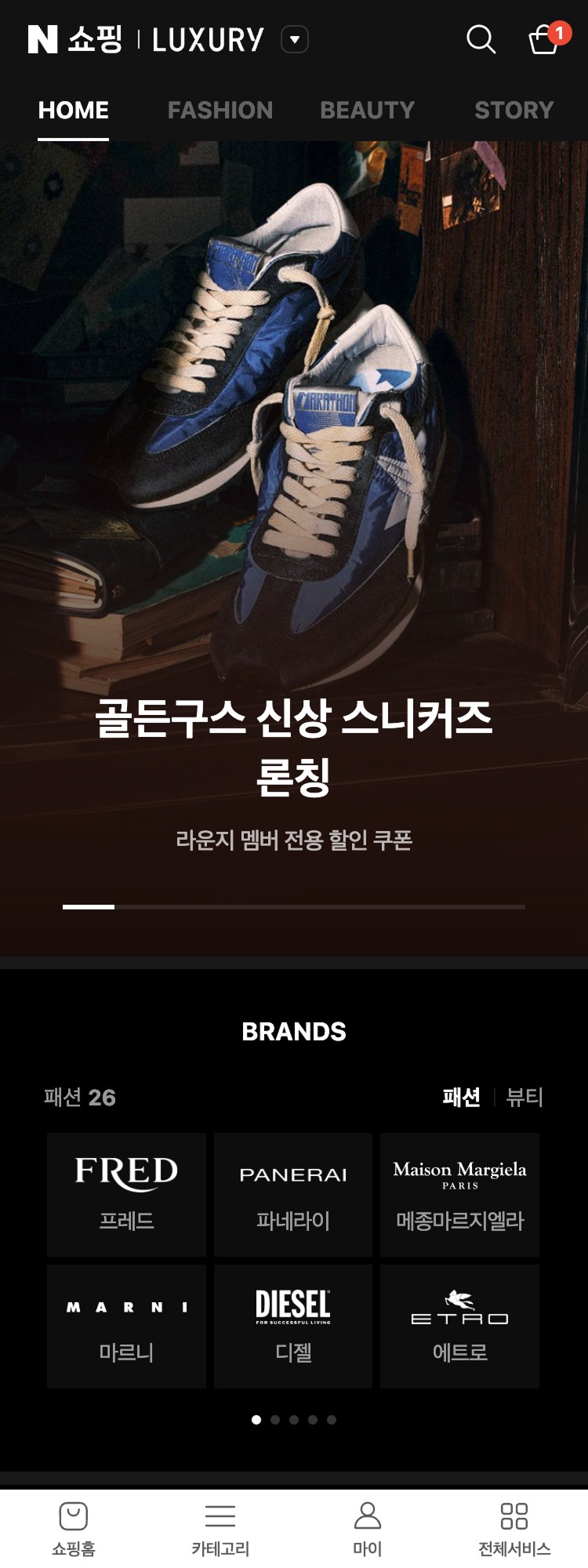
Vertical modules that showcase what makes each vertical unique
I collaborated closely with each vertical business unit to design modules that highlight the distinct strengths of every vertical. Since the structure served the same content to all users without personalization, I set up separate post-launch monitoring to track performance.
UI IMPROVEMENT
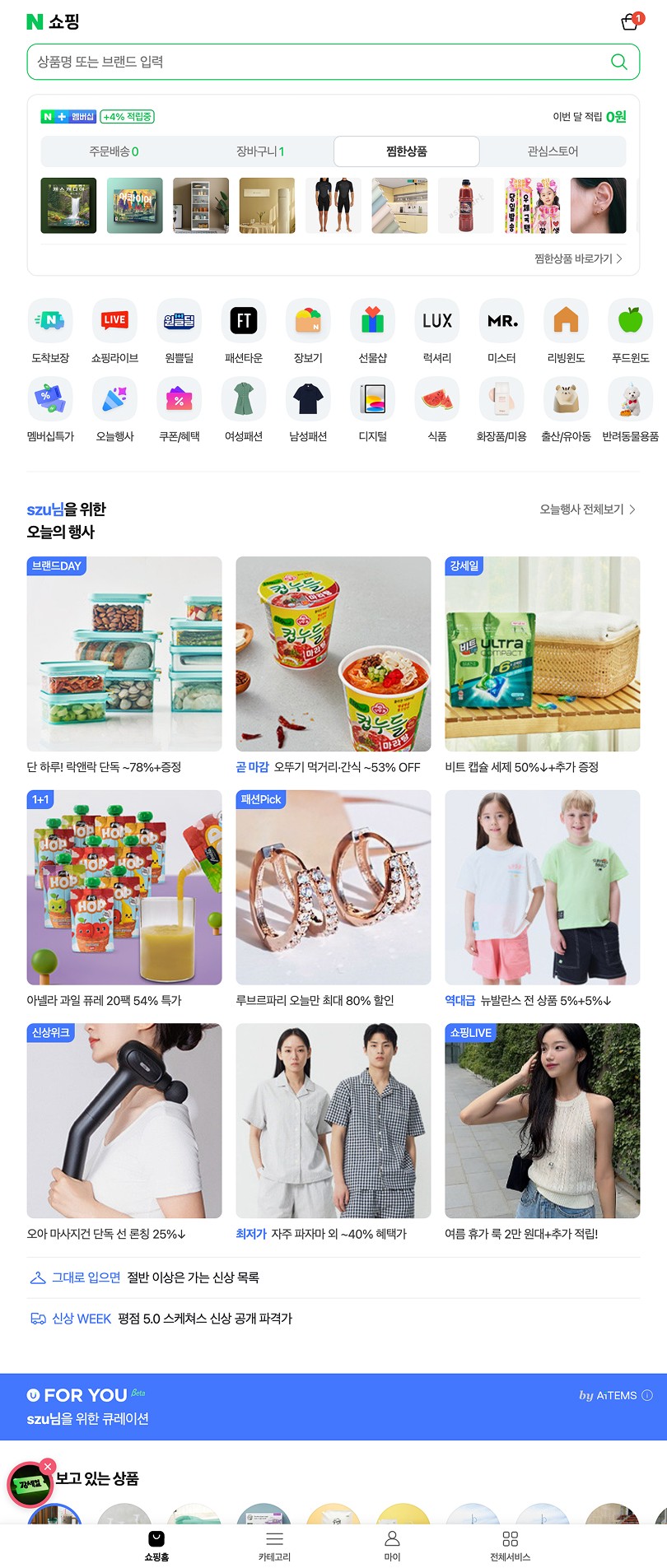
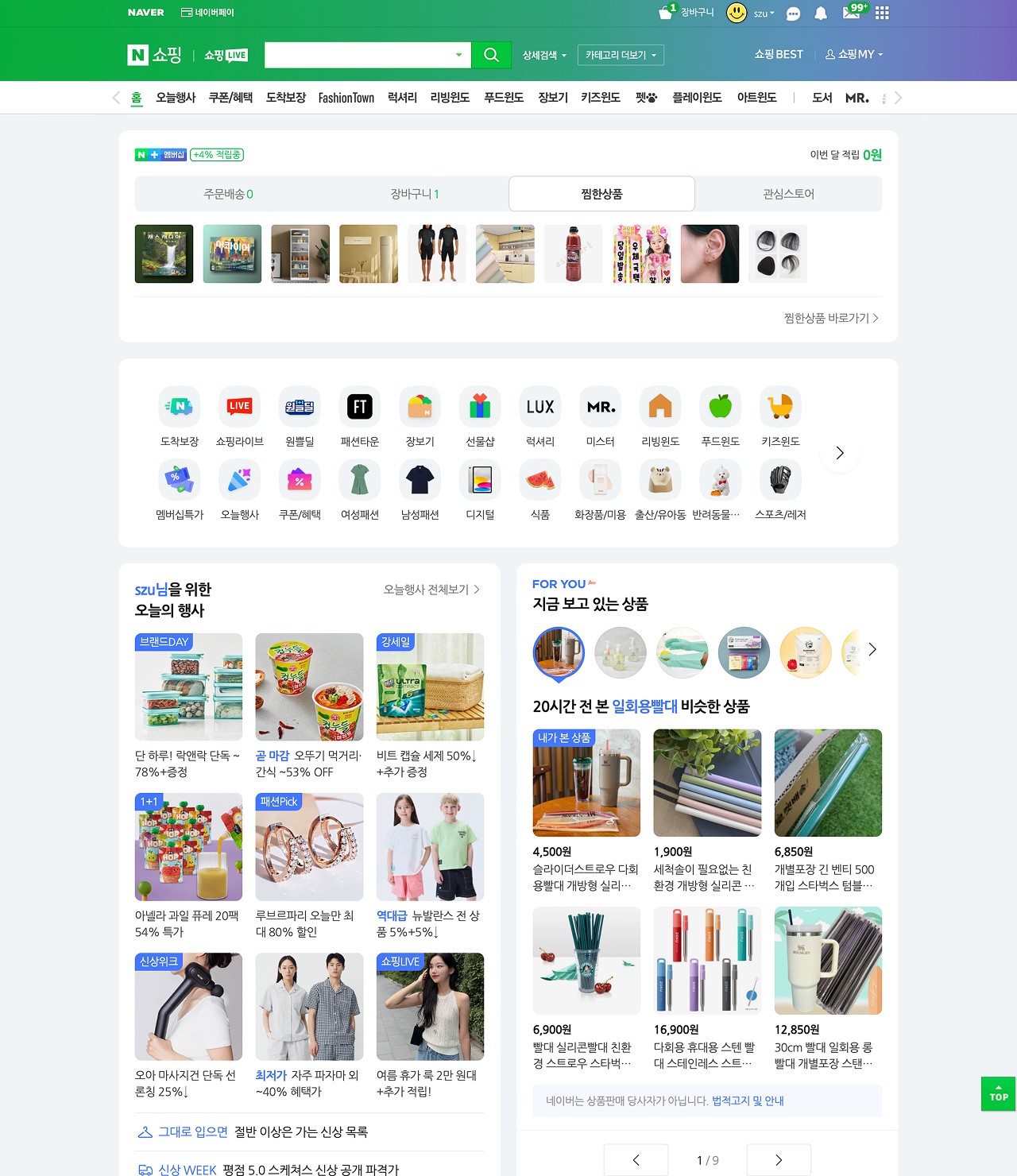
Unified experience across mobile and PC with responsive design
I applied responsive design across mobile, tablet, and PC environments to deliver a consistent shopping experience regardless of device.
validation
Evaluating the Success of Renewal Strategy
Validated
Increase in-home product clicks
Daily average clicks on Shopping Home grew from 2.37M to 4.19M — a 77% increase.
Recommendation modules stayed active all the way to the bottom of the page, with the lowest widgets still generating 50K daily clicks, showing that users were actively exploring well past the fold.
Validated
Improved user convenience
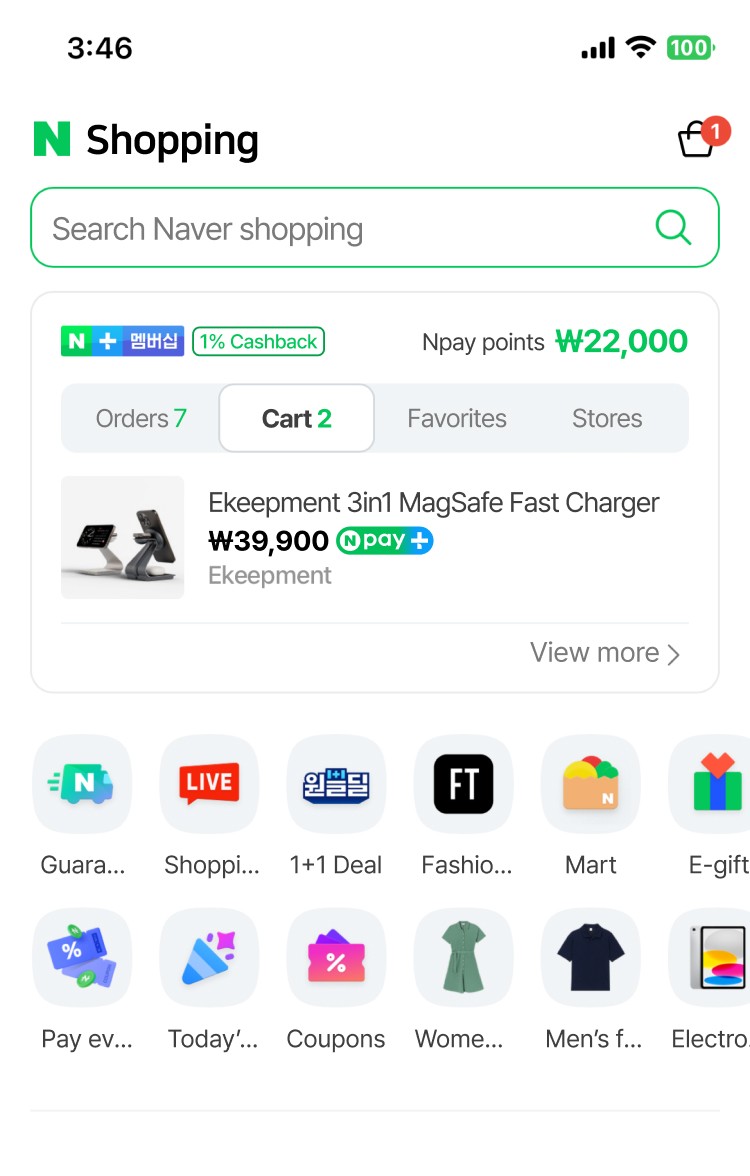
The MY module drove 1.08M daily average clicks. By bringing the information users needed directly to the home screen, we removed the structural reason to navigate away.
Partially validated
Increase in vertical page traffic
The shortcut area showed no meaningful CTR improvement over the previous LNB, and vertical modules averaged around 100 daily clicks. Providing entry points alone was not enough to drive engagement.
result
UV up 40%. Daily average GMV grew from ₩80M to ₩300M — roughly 4x growth.
A combined result of improved accessibility and the home redesign, this proved that a structural overhaul can translate directly into real business impact.
" height="36px" id="v759kO0L0" width="95.99999810791016px"/></svg>)